
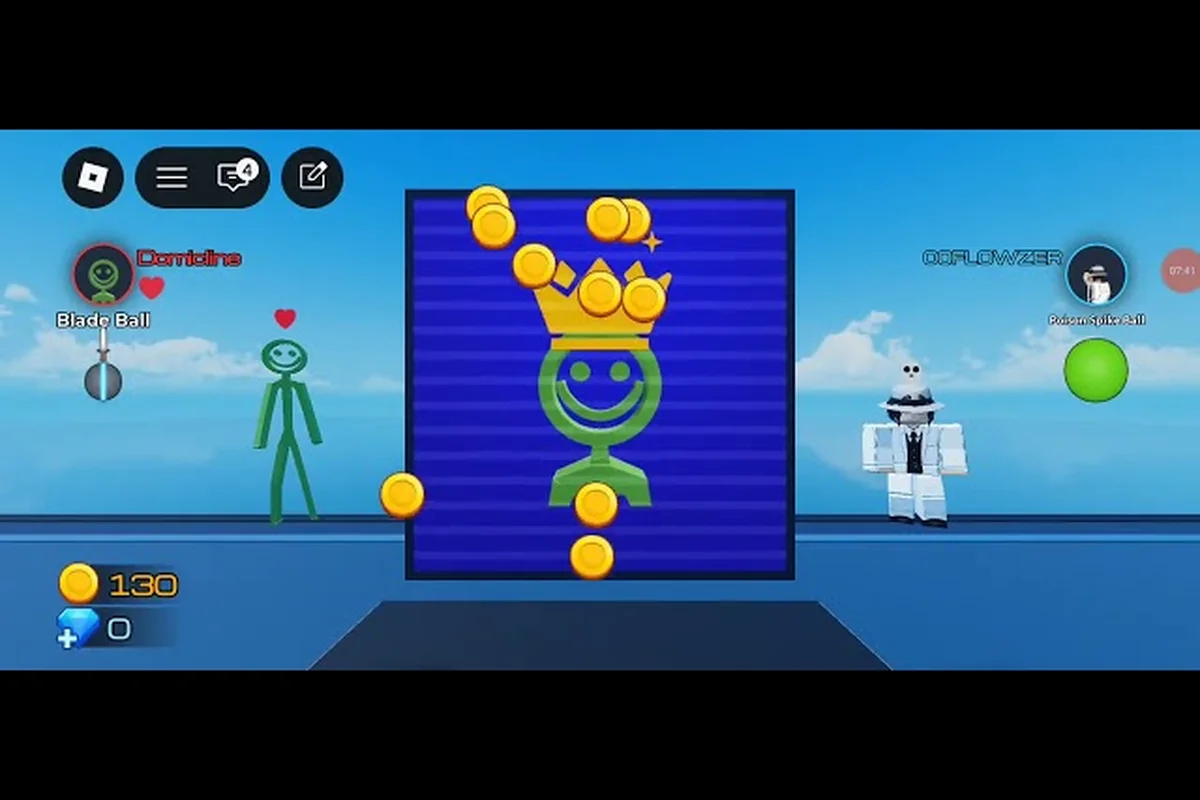
Every arena rotation in Ball VS Ball reshuffles which ball you can trust, and the meta changes that come with each balance patch are why today's strongest pick can quietly fall out of favor by next week. Tracking those ball balance shifts is the difference between climbing with a winning roster and burning coins on a ball the latest balance patch already nerfed into the ground.
This guide walks through the Ball VS Ball update history the way the community actually reads it: which balls rose after each store drop, which got knocked down the tier list, and how to read version history notes so the next round of ball balance changes does not catch you flat-footed. The picture is built from the official Ball VS Ball page on Roblox, the ATYS 3 developer group, and what players have been reporting in tier-list and balance threads since launch.
How Ball VS Ball Balance Patches Are Actually Structured
The Ball VS Ball balance patch cycle is short, which is the single most important fact to understand before reading any tier list. Most reworks land in 2 to 4 weeks, and the developer pushes stat adjustments, ability cooldown shifts, and small ability-effect rebalances rather than full kit overhauls. The result is a game where the meta changes feel like weather: a new ball enters the daily shop, the next patch tunes it, and the next store rotation tests whether the tuning held.
| Patch element | What gets changed | Typical cadence | Player-visible impact |
|---|---|---|---|
| Stat adjustments | Damage, HP, speed values on individual balls | 2–4 weeks per rework cycle | Daily shop rotation tests whether tuned values held |
| Ability cooldown shifts | Cooldown timers on Ball, Explosion and Flyer families | Same 2–4 week window | Mid-battle reroll timing changes as cooldowns move |
| Small ability-effect rebalances | Niche effect values (radius, duration, proc rate) | Same 2–4 week window | Marginal balls (Rare/Epic/Legendary tiers) move up or down a tier |
| Full kit overhauls | Whole ability set redesign | Rare — most patches are surgical | Reroll priority reshuffles; "needs to be BANNED" community arguments spike (e.g., Verity Ball) |
The Three Layers of Every Patch
Every Ball VS Ball update touches at least one of three layers, and the strongest meta reads look at all three together rather than reacting to a single number: a +3 damage stat nudge on a B-tier ball can suddenly become a tier-list breakout when paired with an ability-layer Ult timing buff and an economy-layer reroll cost reduction, which is why isolated nerf complaints often miss the real reason a ball climbed in the last patch.
-
Stat layer — damage numbers, health values, projectile speed, and ability cooldowns. These changes usually move a ball one tier up or down without flipping the meta on its own.
-
Ability layer — the actual kit tied to a ball, including Ult timing, shield duration, dash distance, heal power, and stack multipliers. Ability-layer changes are the ones that create the loudest community arguments because they reshape matchups overnight.
-
Economy layer — shop prices, drop rates, and reroll cost adjustments. The economy layer is where the developer quietly shifts which balls are easy to own and which become trap picks for new players, which is why a ball can climb or fall in the tier list without any direct stat nerf.
A useful way to read patch notes is to check which layer moved. If only stats changed, treat the shift as a soft buff or soft nerf. If the ability layer moved, expect the ball to swap matchup positions in the next few days. If the economy layer changed, expect the next 7 to 14 days of shop rotations to feel different because the same coin balance now unlocks a different mix of balls.
What Triggers a Patch in the First Place
Almost every ball vs ball balance patch in the update history can be traced back to one of three repeating triggers, and learning to read the signal behind each one is what separates reactive players from those who pre-empt the next meta shake-up. Because ball vs ball meta changes tend to cluster around new items updates, community backlash windows, and seasonal rotations, spotting which trigger fired in a given patch lets you forecast whether the next hot ball will be nerfed, buffed, or quietly reverted to its baseline stats.
-
A new ball enters the shop or a new family gets added. A fresh ball usually ships slightly overtuned so the community will test it, then the next balance patch pulls it back. The first week of a new ball is almost always its strongest week in the meta.
-
Community-reported outliers. When a streamer or a top-climb thread flags a ball as oppressive, the next patch usually trims it. The clearest public example is the Verity Ball debate from Bax's video, which is a useful case study in how loud a balance argument has to get before the developer responds.
-
Seasonal or event timing. Limited events often ship with small stat adjustments so a featured ball feels rewarding. Once the event ends, the ball often returns to its baseline, and that rebound is itself a meta change to track.
The Timeline of Ball VS Ball Meta Changes
The Ball VS Ball version history is short enough to walk through in order, and reading it chronologically is the fastest way to see how the meta settled into its current shape. The table below summarizes the patch windows players talk about most, with the rough theme of what moved and which balls got caught in the crossfire.
| Patch Window | Main Theme | Balls That Climbed | Balls That Fell | Source of Pressure |
|---|---|---|---|---|
| Early launch | Roster seeding, no tuning | Common ball pool carried | No clear losers yet | Base stats only |
| First balance patch | Cooldown trims on the strongest Ult | Mid-tier ability balls | Top Ult picks from launch | Community abuse reports |
| New family drop | Flyer and Explosion families added | New family headliners | Pure-stat balls without kits | New item updates |
| First economy shift | Shop prices realigned | Coin-efficient picks | Legendary-trap balls | Drop-rate complaints |
| Ability-stack patch | Multiplier formula rebalanced | Stack-friendly Explosion balls | Raw damage carries | Stack overlap reports |
| Recent cycle | Slight nerfs to top Flyer | Reroll-friendly picks | Overcrowded S tier | Tier-list feedback |
What the First Patches Actually Did
The earliest Ball VS Ball balance changes were conservative. Damage and HP moved by single-digit percentages, and the developer mostly trimmed the cooldown on the most-picked Ult abilities so the rest of the kit could breathe. The community noticed that any ball leaning on raw damage without an ability identity started losing matchups it had previously won, which is the moment the meta shifted from "pick the highest stat sheet" to "pick the ball whose kit survives a cooldown trade."
The bigger swing came when the Explosion and Flyer families were added. New balls almost always ship with a kit that has not been tuned against the rest of the roster, and the first two weeks of any new ball are usually its peak. The players who tracked the version history correctly read those early windows as a "test week" and either bought the new ball cheap or saved coins for the inevitable nerf cycle.
How Recent Patches Reworked Matchups
Recent Ball VS Ball meta changes are best read as matchup edits rather than tier-list wipes. A typical recent patch nudges a Flyer's mobility down by a small amount, trims a shield duration, or buffs the cooldown refund on a defensive Ult. None of these changes alone reshapes the meta, but stacked across a 4 to 6 week window they move three or four balls out of the S tier and a similar number up from B tier.
The Clout Brothers full guide is a useful reference for how the community currently frames the cycle: gems, money, and the store are the three things players care about, and every balance patch that touches the economy layer ends up rippling into what people spend rerolls on. When the developer adjusts shop prices, the practical tier list changes whether or not any stat moved.
Following the Update News Cycle
Ball VS Ball update news does not arrive through a single channel, and that is part of why the meta feels chaotic to new players. Updates are confirmed by the AtysGames profile page, the developer group, the official game page description, and the in-game shop, and the community then amplifies the change through tier-list videos and Discord threads. Tracking Ball VS Ball update news well means checking at least two of those sources before reacting to any single claim.
The Most Reliable Update Signals
The strongest update signal is the official game page, because that description gets updated whenever the loop changes. The developer group is the second-strongest signal, since group announcements and group rewards often appear at the same time as a patch. Streamer videos and Reddit threads are third-tier because they are useful for community sentiment but lag the actual patch by a day or two.
| Signal Source | What It Tells You | How Fast | Trust Level |
|---|---|---|---|
| Official game page description | Core loop and feature changes | Within a day | Highest |
| Developer group announcements | Patch timing and group rewards | Same day | High |
| Top community videos | How the patch feels in real matches | 1-3 days | Medium-high |
| Tier-list posts and threads | Where the meta has settled | 2-7 days | Medium |
| Generic rumor clips | Usually wrong or out of date | Immediate | Low |
How to Catch the Next Patch Early
The fastest routine is to check the official game page once a week, skim the developer group for any pinned post, and only then look at community videos. If two of the three sources agree that a ball has changed, the patch is real. If only a single low-view video is pushing a claim, wait one more cycle before rerolling your whole strategy around it. The Ball VS Ball update news cycle rewards patience more than it rewards reaction.
How New Items Update the Meta
Ball VS Ball new items update the meta in two waves. The first wave is the new ball itself, which is almost always picked heavily during its first week. The second wave is the knock-on effect, where balls that hard-counter the new item quietly rise up the tier list, and balls that lose their niche fall back down. The strongest meta reads treat every new ball as a moving piece rather than a direct buff or nerf.
Why New Balls Usually Feel Overpowered
The first reason new balls feel overpowered is simple: the community has not learned the matchup yet. The second reason is structural, because new balls tend to ship with slightly higher base stats so they are worth chasing in the shop. The third reason is psychological, because players who spent coins unlocking a new ball will play it aggressively to justify the purchase, which inflates early win rates in a way the tier list eventually corrects.
A practical rule is to wait one full shop rotation before treating a new ball as S tier. If it is still winning after two weeks and a balance patch, it has earned the spot. If it dropped after the first patch, it was a launch-window pick only.
How to Spend Coins Around a New Item Drop
When a new item update lands, the smart coin move is usually to wait. New balls cost more in the first shop rotation, and the value curve flattens after the first nerf cycle. The most efficient spend pattern is to save coins for the post-nerf week, when the same ball is still strong but the price has settled, and the balls that hard-counter it are now also in the shop. If you need a deeper walkthrough of how to build around specific drops, the complete ball collection guide covers the family-by-family read on which new balls are worth the chase.
Balance Patch Survival Strategy
A Ball VS Ball balance patch survival strategy has three pieces: a pre-patch plan, a patch-day read, and a post-patch rebuild. Most players only run the middle step, which is why their rosters feel chaotic after every update. The players who climb steadily run all three.
Pre-Patch Plan: Build a Flexible Roster
Before any expected balance patch, the goal is to own at least one strong pick from each family so a single nerf cannot bench your whole roster. A flexible roster usually includes one Ball-family carry, one Explosion-family pick, and one Flyer-family option, with at least one of those being a coin-efficient Rare rather than a fragile Legendary. Flexible rosters also tend to hold value better when the shop rotation shifts, because you are not dependent on a single ball staying on top.
Patch-Day Read: Identify Which Layer Moved
On patch day, the first thing to check is the patch notes for stat, ability, and economy changes. The second thing to do is to play two or three matches with your main ball and at least one match with a ball you think the patch hurt. The third thing to do is to check the community tier-list reactions, but only after you have formed your own read. Patch-day reads that rely entirely on community sentiment tend to overreact, while patch-day reads built from your own two or three matches tend to be more accurate.
Post-Patch Rebuild: Adjust Coin Spending
After a Ball VS Ball balance patch, the most common mistake is to reroll your entire roster. A better rebuild is to keep your core and adjust spending: stop buying the balls the patch nerfed, and start saving for the balls the patch indirectly buffed. The best budget moves are usually B-tier balls that just got a small buff, because their price has not yet caught up to their new value. If you are rebuilding a roster around cheap pickups, the Rare ball value guide is a useful reference for which budget balls are worth keeping through a patch cycle.
Reading the Long-Term Meta Trend
The long-term Ball VS Ball meta trend is a slow shift from raw-stat balls to ability-identity balls. Early in the version history, the highest damage number usually won, and players who picked the stat-sheet leader climbed fastest. As more families and abilities were added, the meta started rewarding balls whose kit could answer a wider range of matchups, and the stat leader without a kit began losing the close rounds.
Where the Meta Is Heading Next
The next round of meta changes is likely to focus on stack multipliers and ability cooldowns, because those are the two layers that produce the loudest community arguments. If the developer follows the pattern of recent patches, the next balance patch will trim the strongest stack multiplier and slightly buff a couple of underused defensive Ult options. That pattern would push the meta toward longer matches and more counterplay windows, which is generally good for new players and bad for one-shot ball builds.
How to Track Version History Going Forward
The most efficient way to track Ball VS Ball version history is to keep a personal log: note the date of each patch, the layer that moved, and the one or two balls that shifted tiers in your own matches. Over a few months, that log becomes more accurate than any single tier-list video, because it captures how the meta feels to you rather than how it looks to a top-tier player. A simple way to maintain the log is to revisit the Ball VS Ball update log after each patch and cross-check your notes against the community read.
Frequently Asked Questions
How often do Ball VS Ball meta changes happen?
Ball VS Ball meta changes usually land every 2 to 4 weeks through a balance patch, with smaller stat trims sometimes arriving alongside shop rotations. The rhythm is short enough that a tier list more than a month old is usually outdated.
Where can I confirm a Ball VS Ball update is real?
The official Ball VS Ball page on Roblox and the ATYS 3 developer group are the two highest-trust sources, with the AtysGames profile as a backup. If two of those agree the patch happened, it is real.
Do new balls always get nerfed in the next balance patch?
Most new balls get at least a small trim within 1 to 2 balance cycles because they ship slightly overtuned to drive early engagement. The exception is when a new ball is already balanced on release, which happens occasionally and usually means it stays in the meta longer than expected.
What is the fastest way to read a Ball VS Ball balance patch?
Check which layer moved first: stat, ability, or economy. Stat changes are soft shifts, ability changes reshape matchups overnight, and economy changes ripple into shop strategy for the next 1 to 2 weeks. Combine that read with one or two of your own matches before reacting.
Should I rebuild my roster after every Ball VS Ball update?
No. Keep your core and adjust spending instead. Stop buying nerfed balls from the current balance patch rotation, save coins for indirectly buffed picks like a ball whose ability cooldown was trimmed by 0.5s, and wait one full shop rotation (roughly 24 hours) before treating any new ball as a permanent roster piece so you don't burn coins on something that gets tuned in the next 2 to 4 week balance cycle.