
Abilities
Ball VS Ball abilities explained: how the Explosion and Flyer families are sold across three rarity tiers, what the price structure says and how to combine them with your ball.
Introduction
Balls are only half of the Ball VS Ball item pool. The shop also sells two separate ability families, Explosions and Flyers, each of them offered at Rare, Epic and Legendary tiers. That structure is not a guess: it is readable directly from the official store listing, where the daily rotation carries nine products across the three families and three tiers. This section covers what each family is, how the pricing within a family signals its strength and how a bought ability interacts with the ball you were dealt. It is also the least documented part of the game in community terms, which means the store listing itself is currently the most reliable source of structure, and everything beyond it is inference rather than confirmed detail.
Ability Families & Daily Prices
| Family | Rare | Epic | Legendary |
|---|---|---|---|
| Explosion | 99 Robux | 199 Robux | 499 Robux |
| Flyer | 149 Robux | 399 Robux | 799 Robux |
| Ball | Not offered | 149 Robux | 699 Robux |
Ability Family Guide
Explosion
The offensive half of the rotating stock
Flyer
The movement-side family, added later and priced higher
Passive Effects
Effects that shape a round without needing an input
Reroll
The most important ability in the game and it is not sold in the shop
Core Mechanics
Ability items in Ball VS Ball are sold rather than earned. The daily rotation carries Explosions and Flyers at three rarity tiers each, plus the ball family itself at the upper two tiers, and the shop refreshes the line-up on a daily cycle. Each family follows a strict price ladder, which is the only public signal of relative strength the developer provides. In a round, an ability stacks on top of whatever ball the opening draw gave you, and the combination is what actually decides fights: a short-range ball with a movement ability plays nothing like the same ball without one. The game does not publish effect descriptions, cooldowns or damage values, so the store listing is the most reliable structural source and everything about how an ability feels in play has to come from testing it yourself.
Advantages
Buying an ability is one of the few ways to influence a match before the random draw happens. Because the opening offer is out of your hands, an owned ability is a form of insurance: whatever ball you are given, the ability is still there and still changes the fight. The three-tier ladder also makes budgeting straightforward, since you can see exactly what the next step up costs before committing. Explosions are cheap enough to be a low-risk first purchase, and Flyers cover the movement gap that decides whether a bad matchup is survivable. And because abilities and balls combine, the same purchase keeps paying off as your ball collection grows.
Challenges
The ability system is the least documented part of Ball VS Ball. The store lists names and prices but no effects, so a buyer is choosing on tier and price alone. The price ladder doubles between tiers, which is a steep jump for something you cannot preview. Because the daily rotation changes, the tier you want may not be available when you are ready to buy, and there is no way to know how long an item will stay on the shelf. There is also a real risk of overlap: an ability that repeats what your ball already does adds far less than the price suggests, and without published effect details there is no way to check before spending.
Frequently Asked Questions
What are Explosions and Flyers in Ball VS Ball?+
Which ability should I buy first?+
Do abilities replace the ball I draw?+
Quick Tips
Match the ability to the weakness that is actually eliminating you. If you keep losing because you cannot escape bad fights, a movement family addresses the real problem, while buying more offence into a positioning problem only makes the losses arrive faster than before. Ask which purchase removes the reason you are being eliminated, and buy that one even if it looks less exciting than the more expensive option on the shelf.
Check whether the ability duplicates your ball before you buy. The store publishes no effect descriptions, so the only defence against paying for something you already have is to play the ball first and note what it already does well. Playing a few rounds with the ball first costs nothing and tells you exactly where an ability would add something rather than repeat something.
Buy the entry tier before the top tier. The price roughly doubles at every step and the store gives no preview of what an ability does, so testing the cheapest tier of a family tells you more about whether you want the expensive one than any product description could. The cheapest tier is also the fastest way to learn what the family even does, since the store gives you no description of the effect at all.
Featured
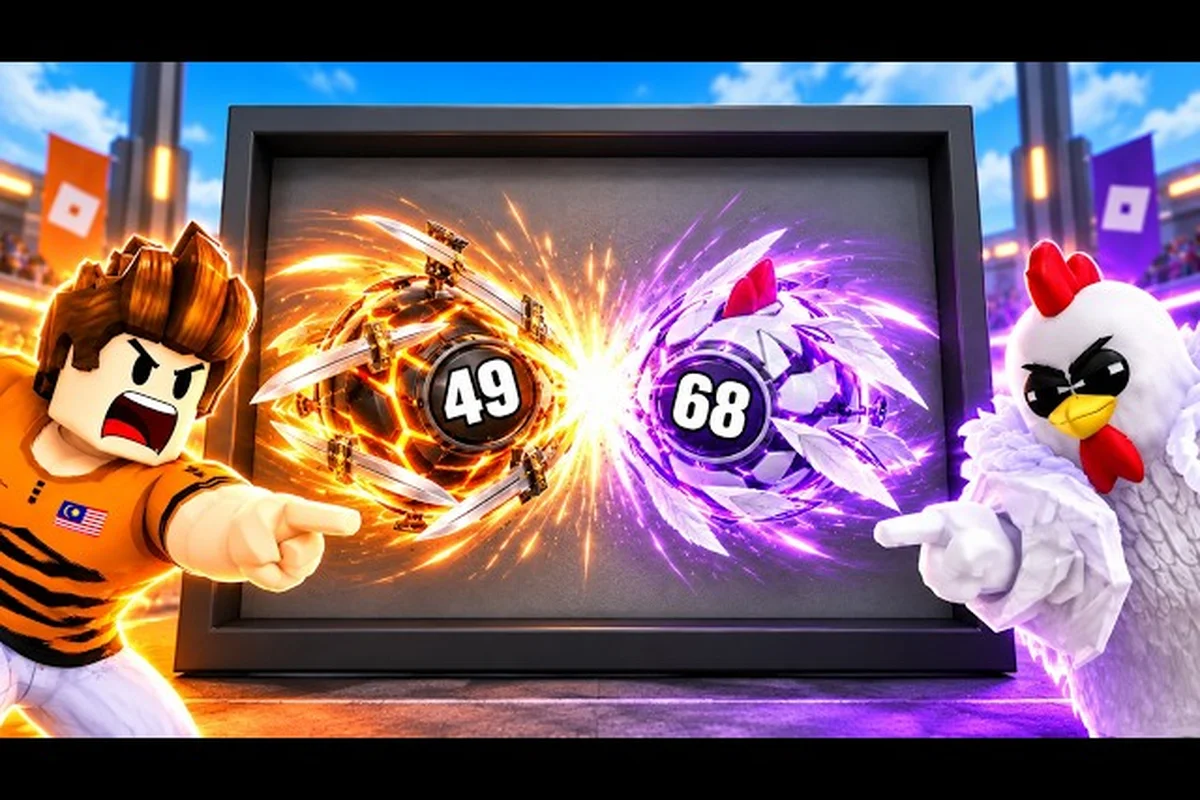
Ball VS Ball Abilities: Explosions, Flyers, Combos & Knockback
Browse every Ball VS Ball ability from explosions and flyers to knockback combos, and learn how each attack type changes your Roblox match strategy.
Ball VS Ball Ability Tiers: Stacking, Unlocks & Best Combos
Rank Ball VS Ball ability tiers, learn how stacking works, and discover the best ability combos to crush tougher opponents in this Roblox arena.
Ball VS Ball Speed Boost: Stun, Ranged & Melee Attacks Compared
Compare Ball VS Ball speed boost, stun, ranged, melee, and explosive attacks so you can chain abilities and win more arena rounds in this Roblox game.
All Articles
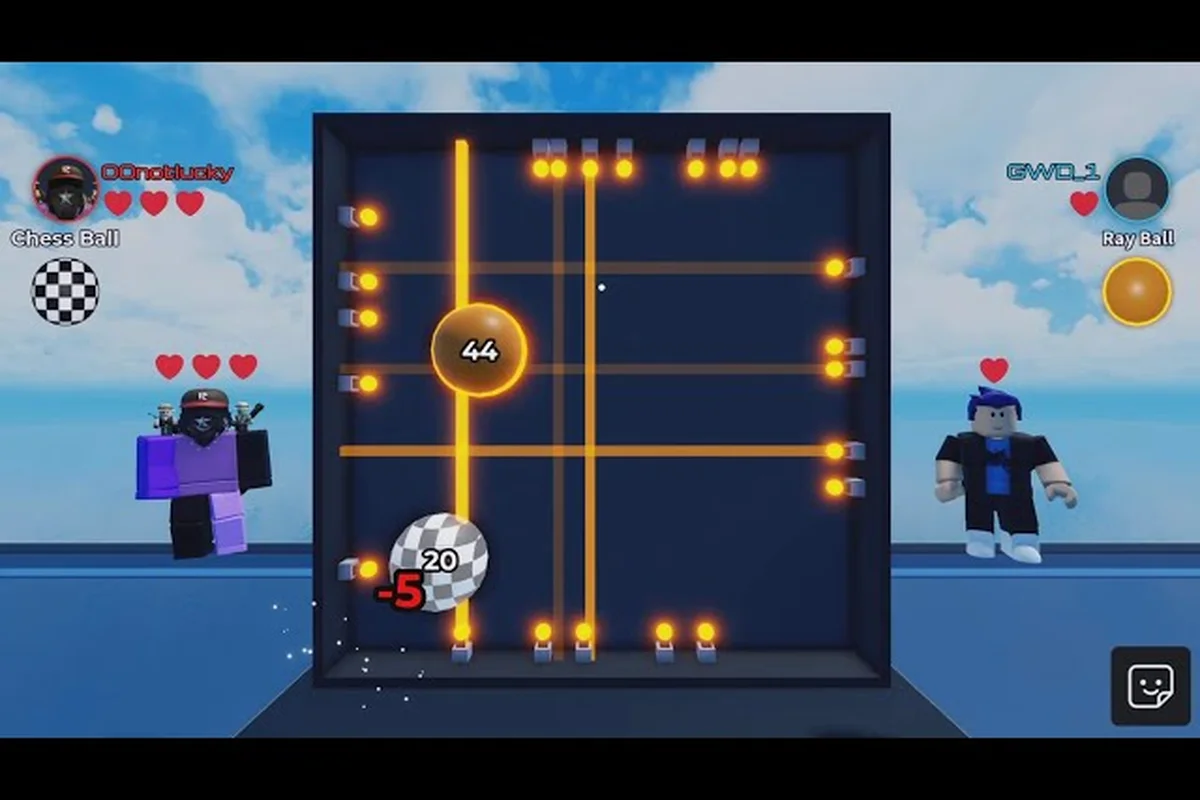
Ball VS Ball Ultimate Ability: Cooldowns, Damage & Best Combos
Break down every Ball VS Ball ultimate ability with cooldown timing, damage output, and the strongest ability combos to chain in clutch Roblox arena fights.
Ball VS Ball Explosion List: Blast Radius, Damage & Bomb Picks
Browse the full Ball VS Ball explosion list ranked by blast radius and damage, and find the rare, epic, and legendary bombs worth your loadout.
Ball VS Ball Rare Flyer: Best Flying Balls Ranked for Arena
Track down the Ball VS Ball rare flyer picks, see how epic and legendary flying balls compare, and find which passive flyer dominates the arena.
Ball VS Ball Power Ups: Dash, Shield & Heal Abilities Explained
Master Ball VS Ball power ups from dash and shield to heal abilities, and learn which special moves turn the tide in tight Roblox arena matchups.