
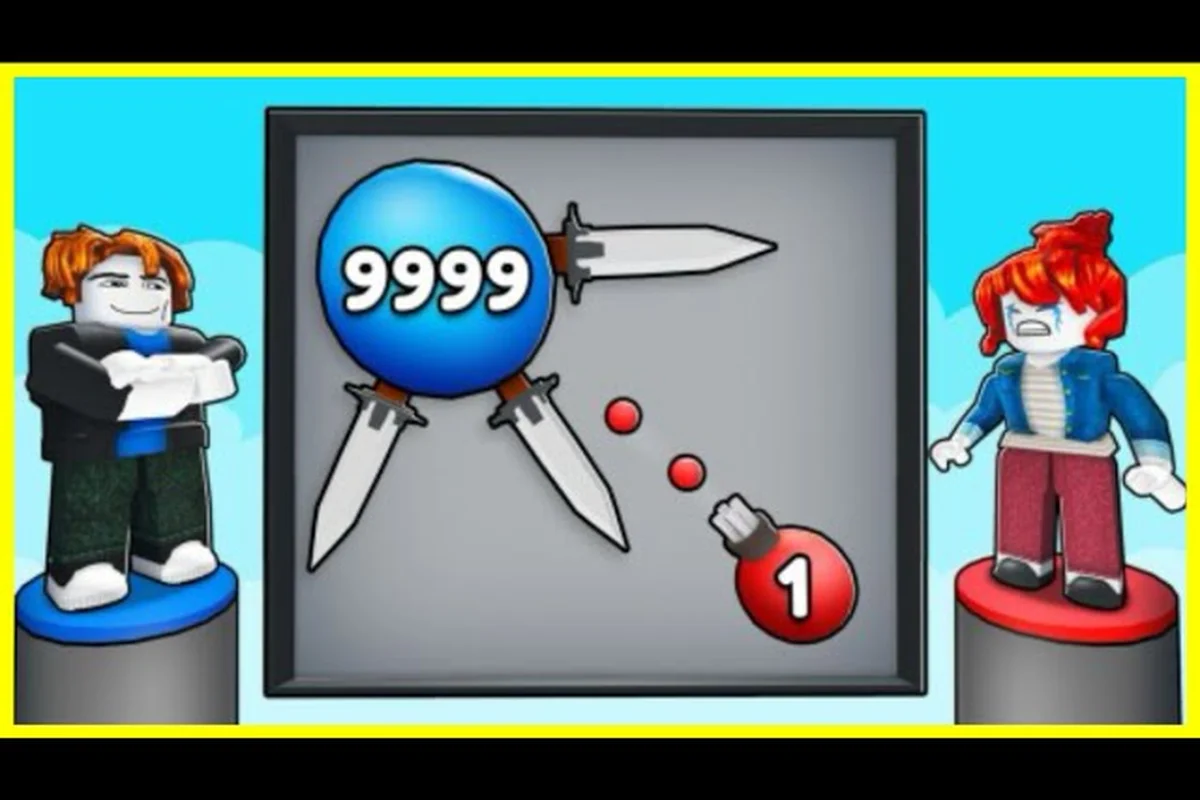
Jumping into the arena for the first time in Ball VS Ball is overwhelming only because the loop moves fast and nothing in the UI tells you what to do first. This ball vs ball guide lays out every control, the in-match flow from spawn to victory screen, and the small habits that separate coin-rich players from the rest of the lobby, so you can stop guessing and start winning within your first few matches.
The Match Loop, Start to Finish
The game pitches you into a 3D arena against other players, and the entire match revolves around one question: which ball is in your slot, and is it better than theirs? According to the official Ball VS Ball page on Roblox, balls are assigned randomly at the start of every round, you can reroll mid-battle when the roll is bad, wins pay out Coins, and the long-term goal is unlocking every ball in the shop. Everything else in this ball vs ball walkthrough hangs off that single loop, so getting comfortable with it early is the single biggest time investment you can make.
The arena itself is small, walled, and built so two players usually close the distance within a few seconds. Community video walkthroughs consistently describe the same starting routine: load in, watch the ball assignment animation, read the ability text, then either push forward or look for a reroll token depending on what you got. A community tutorial on YouTube from VendoPlus' first-match explainer and stresses that the first 10 seconds of every match are pure information-gathering before you commit to a fight.
What "Balls" Actually Are
In this game, a "ball" is not just a cosmetic sphere — it is a unit with a name, a rarity, a class role, and one or two combat effects. The shop is organized around three families: Ball, Explosion, and Flyer. Within each family, balls are sorted into the Rare, Epic, and Legendary tiers that show up as colored borders in the UI. Higher tiers are not strictly stronger, but they typically have more powerful or more reliable effects, which is why most players chase Legendary drops once they have a stable coin income.
The class label is the part beginners miss. A ball that explodes on contact plays very differently from one that boosts movement speed, and a Flyer that ignores walls changes the whole engagement. Reading the small text under each ball during the assignment animation is the cheapest edge you can pick up.
What "Reroll" Actually Does
Reroll is a mid-match action that swaps your currently equipped ball for a new random one from the same pool. It is gated by either a cooldown or a per-match token, depending on the current developer build, so spending it is a real decision. The general rule reported by players is to reroll only when your assigned ball has a downside you genuinely cannot play around — for example, an Explosion ball that damages you too, or a Flyer with poor base damage — and to keep your roll when it has any decent synergy with your playstyle.
Every Control You Need to Learn First
A ball vs ball tutorial lives or dies on the control map, because the combat is fast and a mis-pressed key in the first second usually costs the round. The control scheme is Roblox-standard, so the muscle memory carries over from almost any other Roblox arena game, but the exact bindings and a few of the more hidden inputs are worth mapping out before your first ranked session.
Movement and Camera
The baseline movement set is the standard Roblox WASD layout, with mouse-driven camera control, spacebar to jump, and shift as the default for sprint on most keybinds. Because the arena is tight, sprinting into a fight is usually a mistake — you overshoot the engagement range and eat a hit you could have walked into. Walking the last few meters is almost always the better trade.
| Input | Default Binding | When to Use It |
|---|---|---|
| Move forward | W | Closing distance on a low-mobility opponent |
| Strafe | A / D | Dodging a charged Explosion ball impact |
| Jump | Spacebar | Avoiding a low-arc projectile or resetting a ground pound |
| Sprint | Shift | Escaping a lost round, never to start a fight |
| Camera | Mouse | Tracking a Flyer ball that ignores wall geometry |
Combat Inputs
Combat in Ball VS Ball is built around a small set of verbs: attack, dodge, ability, and reroll. The ability tied to your current ball activates automatically on contact in most cases, but the heavier abilities use a dedicated key so you can time them against a dodger. A community full guide on YouTube by Clout Brothers lays out the same control set and adds a useful tip: bind the reroll key somewhere easy to reach, because reaching across the keyboard for it mid-fight is the most common reason players fail to swap out of a bad roll.
| Action | Typical Binding | Common Mistake |
|---|---|---|
| Basic attack | Left click | Mashing during the ability animation and losing DPS |
| Ability | E or F | Using it at max range instead of in melee |
| Dodge | Q or double-tap a direction | Dodging into a wall and getting stuck |
| Reroll | R or X | Rerolling twice in five seconds and burning both charges |
| Camera reset | C | Forgetting it and losing track of a Flyer above you |
Walking Through Your First Roblox Match
A ball vs ball walkthrough for a brand-new account looks roughly the same every time: load in, get an assignment, fight, win or lose, collect your reward, and decide whether to queue again or visit the shop. The first five or ten matches are the time to learn the verbs, not the time to chase a specific build, so this section of the ball vs ball tutorial focuses on the universal flow rather than any one optimal strategy.
From Spawn Screen to Arena
When you first join, you spawn in a staging area with a queue button and a shop entrance. Tap the queue button to enter the matchmaking pool. While you wait, the shop is worth a quick visit just to read the ball names, because the random assignment system pulls from the same pool the shop sells, so a name you recognize from the shop is a ball you already partially understand.
Once a match is found, the camera shifts to the arena and a short countdown starts. During the countdown, the game assigns you a ball and shows its name and ability text on the side of the screen. Reading this card is the single highest-value habit you can build in your first sessions, because the card tells you the one thing that decides the round: what your ball actually does.
Inside the Round
The round starts the moment the countdown ends, and the standard engagement is a short push, a trade of hits, and a clear winner within 15 to 30 seconds in most lobbies. If you take heavy damage early, back off and let the passive regen or any heal-on-hit effect do its work, because most balls in the Rare and Epic tiers are balanced around extended trades rather than one-shot kills.
If your ball is genuinely bad, hit the reroll key early. Waiting until half-health to reroll is the most common beginner mistake reported in community videos — by then, you have already taken enough chip damage that the new ball cannot save you. The community Ball VS Ball guide by CHALLS on YouTube highlights the same lesson, framing coin income and round wins as tightly linked because rerolling a bad start is the difference between a Coin-paying win and a free round for the other player.
After the Round Ends
Victory pays out Coins, which are the soft currency used in the shop. Defeat pays out a small consolation amount, so even losing is not zero progress. After the rewards screen, you can either re-queue or open the shop. The shop is the only place to spend coins on new balls, and joining the ATYS 3 Roblox group is the developer-endorsed free-reward path, since the official description explicitly asks players to give the game a like and join the group, which is the freebie route the developer endorses instead of a redeem-code system.
Strategy Tips That Actually Work Early On
The ball vs ball tips that pay off in the first ten hours are almost all about discipline rather than mechanics. New players tend to over-roll, over-spend, and over-push, and the player base as a whole is forgiving enough that you can climb out of those habits with a few small adjustments. A companion beginner guide to Ball VS Ball covers the very first session in more detail if you want a step-by-step onboarding walk before diving into these mid-tier tips.
Coin and Roll Management
Coins are the only resource that gates your long-term collection, and the only way to earn them at scale is to win rounds. That means rolling for a good ball is a real cost, and chasing Legendaries with rerolls is a fast way to stay broke. A rough budget that holds up in early lobbies is to reroll at most once per round, and only when the assigned ball actively works against you.
| Phase | Recommended Spend | Why |
|---|---|---|
| First 10 rounds | Save all coins | You do not know the shop rotation well enough to spend efficiently |
| First Legendary unlocks | One per family | Ball, Explosion, and Flyer each change how you play |
| Mid-game | Refill favorites | Stock the shop when your best ball appears rather than chasing new drops |
| Late-game | Collect for mastery | Most players aim to own every ball in the family they main |
Picking Fights vs. Picking Rolls
The other ball vs ball tips that show up across community videos all point to the same idea: play the matchup, not the lobby. If your assigned ball is bad, your first move is the reroll key, not the W key, because walking into a fight you already know you will lose is a Coin-negative play even if you somehow scrape a win. The most reliable way to climb the early curve is to reroll into any ball you understand, even a Rare, rather than chase the Legendary you saw someone else use.
A more advanced version of the same idea is to read the opponent's ball card before the round starts. If they have a hard counter to your roll — for example, a Flyer against your grounded Explosion — the smart play is to reroll once to try to flip the matchup, and to save your second reroll for the next round if you still cannot find a clean answer. The ball vs ball coin tips hub goes deeper on the economy side of this trade, but the short version is that matchup awareness is the variable that decides whether your rerolls are a tool or a tax.
Common Beginner Mistakes (and How to Avoid Them)
A ball vs ball guide is incomplete without the failure list, because the same handful of mistakes explain most of the losses in any low-rank lobby. The mistake list below is built from community-reported behavior rather than any single source, so treat it as a pattern rather than a rule. The ball vs ball leaderboard and common mistakes guide covers the same theme but ranks the mistakes by how much ELO they actually cost you, which is a useful follow-up once you have the basics down.
Mistake 1: Sprinting Into Every Fight
Sprint into a corner, not into a fight. Most arena rounds in this game are decided by the first hit, and sprinting forward throws away the camera stability you need to land it. Walk the last 3 to 5 meters, then commit.
Mistake 2: Rerolling Twice in One Round
The reroll is the most seductive button in the game because every reroll feels free until you realize you have spent the round's entire economy on one bad matchup. One reroll per round is the rule that holds up across the most community-tested sessions.
Mistake 3: Spending Coins Before You Know the Rotation
The shop rotates through Ball, Explosion, and Flyer families at Rare, Epic, and Legendary tiers, and buying into a family you have not yet learned is the fastest way to lock yourself into a playstyle you will regret in 20 hours. Spend the first chunk of coins only on the family you are actively maining, and treat the rest as savings.
Mistake 4: Ignoring the Free Reward Path
The ATYS 3 group is the developer-endorsed way to pick up free balls, and skipping it is leaving Coins-equivalent value on the table. The official description explicitly invites players to join the group for free rewards, and the group had over 1.26 million members as of late September 2026, so the free reward path is a core part of the game's economy rather than a side feature.
Frequently Asked Questions
What is the first thing to do in Ball VS Ball?
Join the ATYS 3 Roblox group, queue your first match, and read the ball assignment card on spawn. The first five rounds should be spent learning what each ball family — Ball, Explosion, and Flyer — actually does in combat, rather than chasing wins. Once you understand the verbs, coin income and round wins start to compound quickly.
How do the controls work in Ball VS Ball?
The controls are the standard Roblox WASD layout, with mouse-driven camera, spacebar to jump, and shift to sprint. Combat uses left click for basic attacks, an ability key (E or F by default) for the ball's special, Q for dodge, and R or X for reroll. Sprinting is for escapes only, and the reroll key should be bound somewhere easy to reach during a fight.
How do I earn coins faster in Ball VS Ball?
Coins are paid out only when you win a round, so the fastest coin earners are the players who reroll smartly and play matchup-aware. Avoid the double-reroll mistake, save your coins until you understand the shop rotation, and spend on one Legendary per family before chasing fills. The ball vs ball coin economy is built so that win rate matters more than time played.
Can I play Ball VS Ball with friends?
Yes, the game supports partying up with friends through Roblox's standard group system, and most community guides recommend playing at least your first few sessions in a small group to learn the ball synergies faster. Co-op play does not change the basic control map, but it does make reroll timing easier because a teammate can call out what the enemy is using before the round starts.
Is there a way to get free balls in Ball VS Ball?
There is no traditional redeem-code system in Ball VS Ball, but the developer offers free rewards through the ATYS 3 Roblox group and the in-game like bonus. Joining the group and liking the game page are the two free-reward paths the official description names, and they are worth doing on day one before you spend any coins at all.